When you take a cruising catamaran offshore, safety starts long before the dock lines come off. You watch the weather, pick kinder routes, and reef before the boat starts talking back with sharp snaps and a hard sideways shove. You keep the crew rested, the engines ready, and the seas off the beam when they turn ugly. Catamarans can be impressively capable, but only if you respect their rules. The tricky part is knowing which ones matter most.
Key Takeaways
- Modern cruising catamarans are generally safe offshore, with positive buoyancy, sealed compartments, and twin engines that provide redundancy after damage or failure.
- Safety depends on conservative sail handling: reef early, keep heel low, and reduce canvas immediately if control worsens or a hull begins lifting.
- Heavy-weather preparedness is essential because catamarans do not self-right; carry and practice using drogues, sea anchors, and storm sails before needed.
- Careful route planning improves safety: use weather routing, avoid lee shores and reef-lined entrances, and wait for daylight at unfamiliar narrow passes.
- Good watchkeeping reduces risk: maintain clear rotations, monitor AIS and radar regularly, and keep a real lookout near traffic, rocks, or current.
Are Cruising Catamarans Safe Offshore?
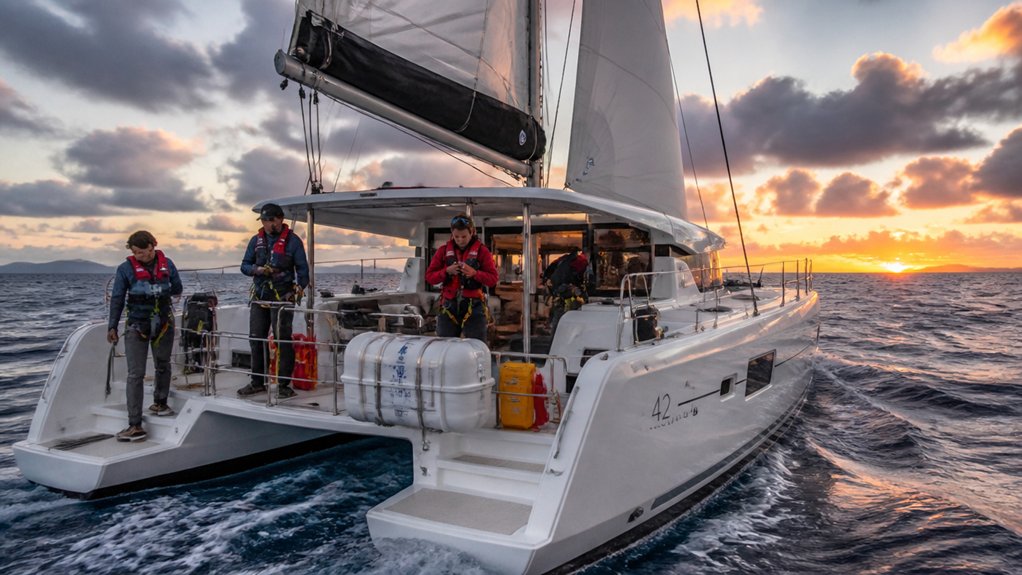
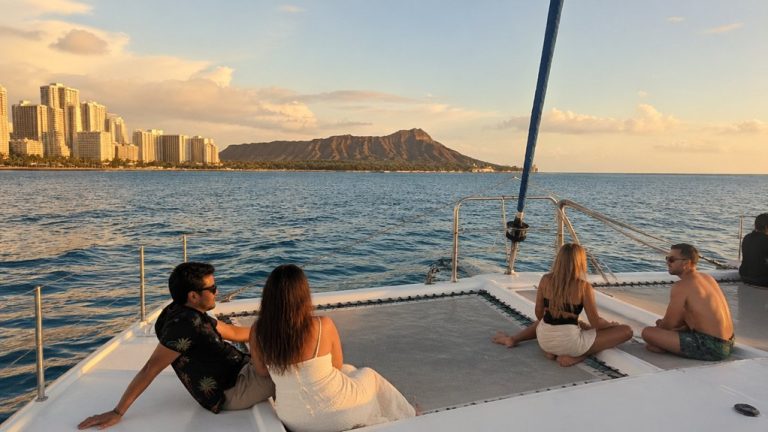
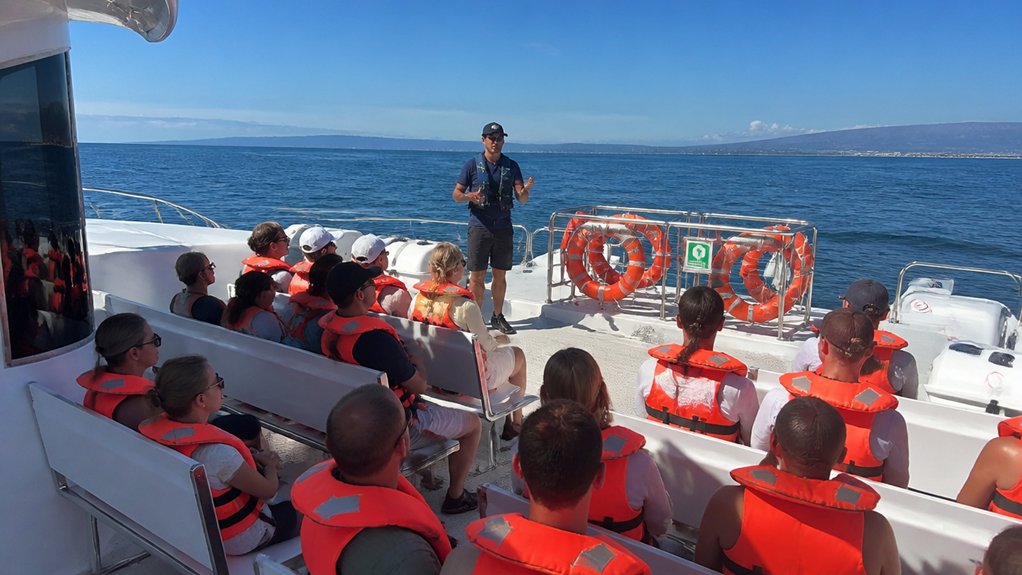
Although offshore sailing always demands respect, modern cruising catamarans are generally very safe for blue-water passagemaking when you handle them conservatively. You benefit from low centers of gravity, positive buoyancy, and sensible power, so capsize is very unlikely in normal cruising. That makes these boats much safer than many people assume. If one system quits, you still have another engine and separate gear, which gives you options and steadier nerves at 3 a.m. in a black squall. They also resist sinking, which matters when the sea turns hard and loud. Even operators running small group cruises in Waikiki often emphasize controlled conditions and attentive onboard management as part of a safer experience. Still, a cat won’t self-right, so your safety comes from seamanship. Practice reefing early, train everyone aboard, and carry a drogue, sea anchor, and heavy-weather sails. Caution is your superpower offshore on long ocean legs.
Choose Safer Routes and Weather Windows
Good seamanship starts long before the first squall line shows on the horizon, and on a cruising catamaran that means choosing routes and weather windows with real margin.
- Use GRIB files and routing tools to shape passages around your boat’s typical 220 miles a day, so you can outrun bad weather instead of bargaining with it.
- Give lee shores and reef lined passes a wide berth. If dusk falls, stand off, listen to the water hiss, and wait for daylight.
- When you’re short handed, route farther offshore, watch AIS and radar, and correct for current and drift.
- Carry a 15 foot parachute sea anchor and practice deploying it, so severe seas become a drill, not a panic, while ships glow faintly on screen nearby.
In Hawaiian coastal waters, avoid committing to exposed channels or windward legs when Small Craft Advisory conditions and 15 to 19 foot seas are forecast from Monday night into Tuesday.
Reef Early and Stay in the Sweet Spot
You’ll make life easier if you tuck in a reef before nightfall, when the deck turns slick, the cockpit lights glow, and everyone’s a little more tired. Keep an eye on the wind, the telltales, and the way the boat feels, because a lifting windward hull, extra heel, or bows starting to dig are your cue to shorten sail and stay in that easy 7 to 8 knot groove. Practice until you can reef in under two minutes from the cockpit, because fast hands beat wrestling canvas in the dark every time. Even on routes known for a generally smooth ride, changing wind and sea conditions can still make the motion choppy enough that reefing early is the safer call.
Reef Before Nightfall
As dusk starts to flatten the horizon and the deck turns slick and gray, it pays to reef early and keep the boat in its sweet spot.
- Take your first reef by 15 to 20 knots true, then a second by 20 to 25. You’ll stay controllable after dark.
- Do reefing before sunset, not by headlamp. Practice until you can finish a reef in under two minutes.
- Hold near the cat’s easy groove, about 7 to 8 knots upwind, a bit faster off wind. Reduce sail instead of chasing bragging rights.
- If you’re short handed or tired, tuck in an extra reef and slow down. Motor if needed. Your crew will thank you, and dinner won’t slide across the saloon table tonight at anchor later.
For anyone prone to queasiness on evening passages, motion sickness prevention steps can make the ride more comfortable while you keep the boat settled and predictable.
Watch Wind And Heel
Often, the safest catamaran sailing looks almost boring at first glance, and that’s the point. You want the boat in its sweet spot, not showing off. On many production cruising cats, that means about 7 to 8 knots upwind and a bit faster off wind. If true wind builds to 15 to 20 knots, take the first reef. At 20 to 25, take the second. At 25 to 30, take the third, or sooner if the helm changes or the bows start hobby horsing.
Keep one eye on heel and motion. If you notice heel over ~5° or the windward hull starting to lift, shorten sail right away. Don’t wait for the next gust. Bear away or reduce canvas. Your rig will thank you later.
If rain moves in, use rainy conditions as a cue to reassess wind, visibility, and sea state before deciding whether to continue or reschedule the cruise.
Practice Fast Reefing
Reefing early keeps a catamaran in its happy place, where the ride feels quick, flat, and almost easy. You stay near the sweet spot, often about 7 to 8 knots upwind, instead of waiting for drama.
- Take reef one around 15 to 20 kt, reef two near 20 to 25, and reef three by 25 to 30.
- Practice reefing until you can do it in under two minutes, with downhaul and tack lines ready.
- Reef before dark or when the windward hull lifts, bows start digging, or heel changes.
- Drill solo and short-handed moves, center the traveller, watch leech chafe, and use winches calmly to avoid a wild gybe.
Those few steps can turn a hard thrash into a tidy, whispering reset under way. If you plan to record the maneuver, smooth video from the boat is much easier when the sail plan is balanced early.
Handle Heavy Weather Without Losing Control
When the sky darkens and the cat starts to feel a little too lively, you keep control by acting early instead of waiting for drama. You reef early and decisively. Think reef one at 15 to 20 knots true, reef two at 20 to 25, and reef three by 25 to 30, or sooner if the windward hull lifts, helm loads up, or the bows start punching spray.
Keep seas off the beam. Aim weather-forward or slightly aft of it, bear away hard in gusts, and keep heel near five degrees or less. Use routing, GRIBs, and radar to dodge ugly cells. In survival conditions, deploy a 15-foot parachute sea anchor or a practiced drogue instead of surfing breaking seas with white-knuckle speed anyway. If you’re planning a charter, the best time of year for catamaran cruises in Waikiki can also help you avoid rougher conditions before you ever leave the harbor.
Cut Fatigue With Safer Crew Routines
You make better calls offshore when you protect sleep, so set a steady night watch rotation and make sure each crew member gets one solid block of rest. You also keep things calmer by reefing a little earlier at night, easing the boat into its sweet spot before the wind turns the cockpit into a noisy puzzle. Add simple alarms and clear routines, and you’ll cut stress, sharpen focus, and keep the whole crew safer. If you’re planning group outings ashore, checking wheelchair accessible options in Oahu can also help you choose excursions that keep everyone comfortable and included.
Better Sleep, Better Decisions
Often, the smartest safety upgrade on a catamaran isn’t a new gadget at all. It’s rest. The boat’s flatter platform and quieter hull cabins can give you better sleep,better decisions, and steadier hands when spray starts flying.
- Plan short work blocks, then longer recovery breaks. Rotate navigation, engine checks, and drills daily, so both of you stay sharp.
- Reef before dark, and add one more when you’re short-handed. Easy sail plans beat sweaty midnight wrestling matches.
- Use separate hull cabins to stagger sleep. One person can truly rest while the other stays fresh for anchorages or handling.
- If exhaustion hits hard, slow down. Heave-to, or deploy a sea anchor. Ninety minutes of real sleep beats hours of foggy judgment afloat.
Good onboard guidelines also support safer rest routines, because clear expectations reduce stress, confusion, and avoidable mistakes between crew.
Night Watch Rotation
At night, a simple watch rotation turns a long passage from a bleary slog into something calmer and far safer. Rotate 2-person night watches (e.g,18:00–00:00,00:00–06:00) so each crew member gets an uninterrupted ~6-hour sleep block and a single intense 6-hour duty period to minimize cumulative fatigue. In Hawaiian humpback whale habitat during whale season, follow 15 knots guidance where appropriate to help reduce collision risk.
| Watch | Focus |
|---|---|
| First half | Helm, trim, early checks |
| Handover | 10–15 minute briefing |
| Later hours | Log, plot, systems |
You should check AIS, radar, wind, and autopilot every 10–15 minutes. If you’re short-handed, overlap 3–4 hour watches and check in every 30–60 minutes. Near shipping lanes or shoals, keep one person fully awake. If fatigue spikes, slow down, hove-to, and grab an emergency nap before resuming, and let the dark sea sound less like a test and more like travel.
Safer Reefing Habits
Before the light fades, tuck in a reef while the deck still feels simple and the crew still moves with a clear head. You’ll avoid rushed sail changes when wind climbs past 15 to 20 knots, then 20 to 25, then 25 to 30. On longer passages, remember that basic onboard comforts like bathrooms aboard can help crew stay rested and focused during safer watch routines.
- Practice each reef until you can finish in under two minutes, even solo. Electric winches and marked lines save sweat.
- Pre-rig downhaul and tack lines to the cockpit so the sail stays quieter and your hands stay safer.
- At night or short-handed, carry an extra reef and ease back to your cat’s sweet spot, about 7 to 8 knots upwind.
- Downwind, watch leech chafe near spreaders and add patches before the ocean asks for ugly repairs in rough, dark miles ahead.
Avoid Reef and Nearshore Navigation Errors
Sometimes the prettiest water is the most deceptive, so when you’re threading a catamaran near reefs or close to shore, don’t let the chartplotter do all the thinking. Verify depth with your sounder and line up landmarks, because screens can place you ashore.
| Risk | Better move |
|---|---|
| Shallow patch | Slow and verify |
| Dusk inlet | Wait offshore |
| Shipping lane | Cross at angle |
| Reef edge | Hand steer |
If an entrance is narrow, unfamiliar, or reef-lined, wait for full daylight and local knowledge. Stay well clear of shipping lanes, and if you’re short-handed, avoid sailing close to the coast where groundings love to happen. Near rocks or current, hand steer and keep a real lookout. If you spot marine wildlife while maneuvering near shore, keep your distance and remember spinner dolphins must not be approached or swum with within 50 yards in Hawaiʻi. Curiosity is great. Guessing isn’t. Stand off when unsure, and arrive smiling later.
Rely on Engines, Power, and Buoyancy
When the wind quits or a reef edge starts looking too close, a cruising catamaran has a practical superpower: twin diesels and a hull that wants to stay afloat.
- Your twin diesel engines give you redundancy. If one quits, you can still steer, charge batteries, and keep moving toward shelter.
- Use split thrust, one ahead and one astern, to pivot neatly in tight anchorages or dodge hazards when sails slat uselessly.
- Buoyant bows and sealed compartments help the boat stay up after damage, giving you a stubbornly floaty platform in rough water.
- Respect the tradeoff. Power burns fuel fast, so track range, keep reserves, and maintain cooling, belts, filters, impellers, plus spares and tools so a single failure doesn’t leave you powerless at sea.
That extra control is one reason many travelers comparing a catamaran vs boat cruise in Waikiki notice how catamarans emphasize stability and maneuverability.
Frequently Asked Questions
How Often Should Catamaran Safety Gear Be Inspected and Replaced?
You should follow an Inspection schedule: check lifejackets every 6 months, EPIRBs annually, pumps and life-rafts yearly, rigging every 6–12 months, and replace anything expired, damaged, or failing tests, usually within 1–10 years as needed.
What Medical Supplies Are Essential for Extended Catamaran Cruising?
You should pack an Extended First aid kit with trauma supplies, antibiotics, pain and allergy meds, chronic prescriptions, an EpiPen, AED, glucometer, wound-closure tools, medical references, and satellite communications so you can handle offshore emergencies.
How Do You Prepare Children for Safety Aboard a Catamaran?
Imagine your daughter clips her life jacket, grabs the rail, and aces a man-overboard drill; you prepare kids by practicing rules, emergency roles, VHF calls, buddy systems, and Seasickness prep so they’ll stay calm aboard.
What Fire Prevention Measures Matter Most on Cruising Catamarans?
You’ll prevent most catamaran fires by prioritizing propane shutoffs and detectors, smoke alarms, secure wiring, clean bilges, accessible extinguishers, attentive cooking, and Engine compartment ventilation. Test battery isolation regularly, and train your crew often, too.
Which Communication Devices Are Best for Offshore Emergency Calls?
Like a lifeline in the dark, you should carry a DSC VHF for distress, a Satellite phone for offshore calls, and a 406 MHz PLB or AIS MOB beacon so rescuers can find you fast.
Conclusion
You stay safe offshore by acting almost boring. You check GRIBs, reef before the squall, rotate watches, and keep the seas off the beam. How thrilling to slow down early, then hear only a soft hum from twin engines and water sliding past the hulls. That’s the irony. The less heroic you try to be, the more likely you’ll enjoy sunrise coffee, dry lockers, and a calm approach through coral-blue anchorage by breakfast next morning.